Display: A Script Amp for Real Projects
As a designer who has worked with countless typefaces across various projects, I’ve learned to recognize fonts that offer more than just aesthetic appeal. Display, part of the Script Amp family, is one such font that demands attention—not just for its visual charm, but for its practicality in real-world design scenarios.
The First Impression: Elegance Meets Energy
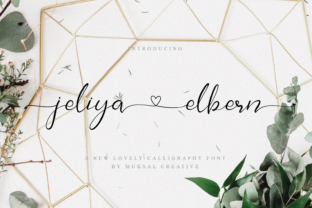
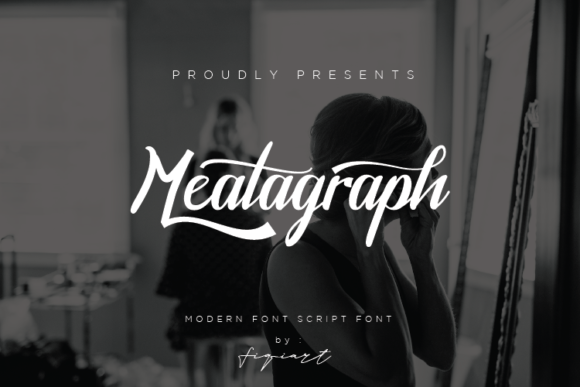
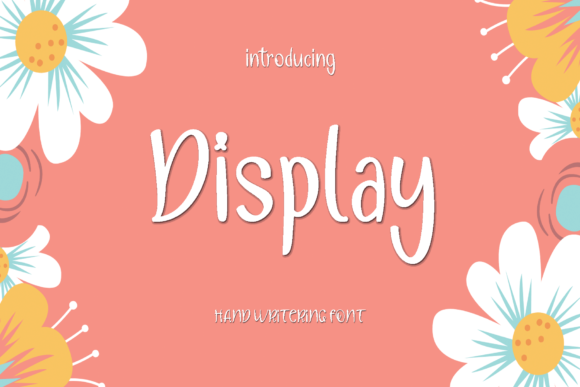
From the moment you lay eyes on Display, it exudes a sense of refined energy. The flowing strokes and subtle flourishes give it a handcrafted feel, yet it maintains a level of sophistication that feels modern. It’s not overly ornate, nor is it minimalist—it sits comfortably in the middle, offering a balance between personality and clarity.
The letterforms have a natural rhythm, with a slight irregularity that suggests human touch, making it ideal for designs that aim to feel authentic rather than manufactured. This makes Display particularly well-suited for branding that wants to convey warmth, creativity, or a personal touch.
Real-World Applications: Where Display Shines
When it comes to logo design, Display offers a unique alternative to traditional serif or sans serif fonts. Its fluidity can add a sense of movement and emotion, making it a great choice for creative businesses, boutique brands, or artistic ventures. However, it’s important to keep the overall design simple—too much detail can muddy the message.
In packaging design, Display can be used effectively for product names or taglines. Its visual personality adds a layer of character without overwhelming the package. When paired with clean, neutral backgrounds, it stands out as a premium element that elevates the entire design.
For editorial design, especially in magazines, brochures, or newsletters, Display works best as a headline font. Its legibility at larger sizes makes it a strong choice for titles or subheadings. But again, it should be used sparingly—too much text in Display can reduce readability and strain the reader’s eyes.
In web design, Display can be a powerful tool for headers, banners, or call-to-action buttons. Its distinct style helps draw attention and create visual interest. However, designers should ensure that it’s properly optimized for screen display and that it doesn’t interfere with the overall user experience.
Social media graphics also benefit from Display’s expressive nature. Whether it’s for Instagram posts, Facebook ads, or Twitter headers, the font adds a touch of elegance that can make content stand out. But as with any display font, it’s important to test it across different platforms and devices to ensure consistency.
Where to Use With Caution
While Display is versatile, there are certain situations where it may not perform as well. Large headlines, for example, can become too busy if the font is not carefully styled. Short phrases or brand marks that require maximum clarity might suffer from its decorative elements.
Quotes or decorative accents that rely on simplicity may not benefit from Display’s complexity. Similarly, premium packaging or high-end marketing materials that demand a more restrained look might find Display too flashy for their needs.
When used in social posts or supporting text, Display can quickly lose its impact. It’s best reserved for key visual elements rather than background or secondary content.
Readability and Brand Consistency
One of the most critical aspects of any font is its readability. Display performs well at larger sizes, making it suitable for headlines, banners, and other prominent design elements. However, at smaller sizes, its intricate details can become difficult to decipher, especially in low-resolution environments.
For brand identity, Display can help establish a consistent visual language, especially when paired with complementary fonts. Its ability to convey a specific mood makes it an excellent choice for brands looking to express creativity, authenticity, or a personal connection with their audience.
Audience trust and recognition often depend on how a brand presents itself. Display can contribute to a professional and polished look, but only if used thoughtfully. Overuse or improper pairing can lead to confusion or a lack of cohesion.
Practical Designer Notes
Before finalizing Display for a project, it’s essential to test it in black and white. This helps assess how it performs without color, which is crucial for print and digital applications alike.
Check small-size readability by using it in footnotes, captions, or other minor text elements. If it becomes hard to read, consider alternatives or adjust the font size and spacing accordingly.
Try Display on real mockups to see how it interacts with other design elements. Pay attention to uppercase versus lowercase forms—some scripts can behave unpredictably in mixed-case settings.
Review spacing and kerning to ensure that the font doesn’t appear cramped or uneven. Test it beside serif, sans serif, script, and handwritten fonts to understand how it fits into your overall font pairing strategy.
Finally, always confirm commercial licensing before using Display in client or business projects. This ensures that you’re compliant and avoids any potential legal issues down the line.
Final Thoughts: A Font Worth Considering
Display is more than just a pretty font—it’s a tool that can enhance a wide range of design projects. Its expressive nature and modern typography make it a valuable addition to any designer’s toolkit, especially for those working on creative or branded content.
Whether you're designing a logo, crafting a digital ad, or developing a Canva template, Display offers a fresh and engaging option that can elevate your work. Just remember to use it wisely, and always test it thoroughly before finalizing your design.