Lonely Sunday: A Font for Creative Campaigns
It was the morning of a product launch, and I was staring at a stack of social media graphics. The visuals were good, but something felt off. The text wasn’t popping like it should. That’s when I remembered I had a fresh font in my design toolkit—Lonely Sunday. It wasn’t just another script; it brought a playful energy that matched the campaign’s vibe perfectly.
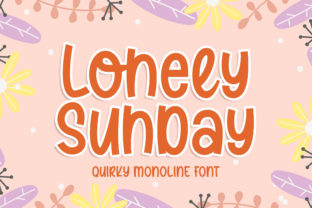
Lonely Sunday is a whimsical script with a modern twist. Its soft curves and gentle flourishes give it a sense of charm that feels both approachable and unique. It’s not overly ornate, which makes it versatile for a range of design needs. Whether you’re working on a brand’s visual identity or crafting a single Instagram post, this font has the personality to stand out without overwhelming the message.
One of the first things I noticed about Lonely Sunday was how well it worked in short headlines and callouts. For a seasonal sale announcement, I used it for the main title on a promo banner. The font’s fluidity made the text feel more dynamic, as if it were moving with the rhythm of the campaign. It added a layer of visual interest that made the message more memorable.
When designing YouTube thumbnails, I found that Lonely Sunday helped create a stronger first impression. On mobile screens, where space is limited, the font’s distinct shape made the text easier to read at a glance. It didn’t get lost in the background, and its playful nature aligned with the content’s tone. The result was a thumbnail that stood out in a crowded feed without sacrificing clarity.
For an email newsletter, I paired Lonely Sunday with a clean sans serif font. The contrast between the two created a balanced hierarchy that guided the reader’s eye naturally. The script font was used for the subject line and headline, while the sans serif handled the body copy. This combination made the design feel polished yet personal—a key goal for the campaign.
When working on Pinterest pins, I experimented with using Lonely Sunday for quote graphics. The font’s character made each word feel like part of a story, which resonated with the platform’s visual storytelling style. I also played with different color combinations, finding that it worked well on both dark and light backgrounds. On a dark pin, the font’s subtle details still shone through, and on a light background, it maintained enough contrast to remain legible.
Another use case came up when I was designing a series of Instagram Reels covers. The font’s friendly appearance helped set the tone for the content, making it feel more inviting. I used it for the captions and titles, ensuring consistency across all posts. This helped reinforce the brand’s visual identity and made the content feel more cohesive.
Lonely Sunday also proved useful in promotional content for an online shop. I used it for product teasers and countdowns, where its expressive style added a sense of urgency and excitement. The font’s versatility allowed me to experiment with different layouts, from bold headers to decorative labels, without losing the overall aesthetic of the campaign.
One thing I always check before finalizing a design is how a font performs in small previews. With Lonely Sunday, I found that it held up well even when scaled down. The details remained clear, and the font didn’t lose its character in tight spaces. This made it ideal for use in social media thumbnails, app icons, and other compact design elements.
When choosing a font for a campaign, I always consider how it will work with other design elements. Lonely Sunday pairs well with a variety of typefaces, especially those with a clean, modern feel. A simple serif or sans serif can provide a strong foundation, while the script adds a touch of personality. This flexibility makes it a great choice for campaigns that need both structure and flair.
I also pay attention to the font’s technical aspects. Lonely Sunday includes multiple weights and alternates, which gives designers more control over how the text looks. The ligatures and stylistic options allow for customization, making it easier to fit the font into different design systems. Plus, the file formats and licensing make it easy to use in a wide range of projects, from digital ads to printed materials.
For a webinar promotion, I used Lonely Sunday in the header of the landing page. The font’s warm, friendly look helped create a sense of connection with the audience. It wasn’t too formal, which made the event feel more accessible. The font’s presence in the design reinforced the campaign’s message and helped build anticipation.
Whether it’s for a brand’s logo, a social media post, or a digital ad, Lonely Sunday brings a unique energy that can elevate any design. Its mix of playfulness and professionalism makes it a valuable addition to any designer’s toolkit. And for marketers looking to make their campaigns more visually engaging, this font offers a fresh way to communicate with their audience.
As I wrapped up the campaign, I realized how much impact a single font can have. Lonely Sunday wasn’t just a design element—it was a tool that helped shape the entire visual language of the project. From thumbnails to email banners, it added a layer of creativity that made the campaign more compelling and memorable.
For anyone looking to add a bit of charm to their next campaign, Lonely Sunday is worth considering. It’s a font that doesn’t just look good—it feels right. And in the world of digital marketing, that’s often what makes the difference between a good campaign and a great one.
With its blend of whimsy and clarity, Lonely Sunday is a perfect fit for campaigns that want to stand out while staying professional. Whether you’re working on a product launch, a seasonal promotion, or a branding project, this font has the potential to make your designs more engaging and effective.
As I moved on to the next project, I knew I’d be reaching for Lonely Sunday again. It’s not just a font—it’s a creative partner that helps bring ideas to life with style and substance.