Hi Girls: A Script Font for Creative Campaigns
It was a late afternoon when I sat down to finalize the visuals for a seasonal sale campaign. The client wanted something eye-catching, something that would stand out in a sea of digital ads and social media posts. After testing a few options, I landed on Hi Girls—a script font that felt both playful and professional. It wasn’t just about aesthetics; it was about how the font could enhance the message and resonate with the target audience.
What Makes Hi Girls Stand Out
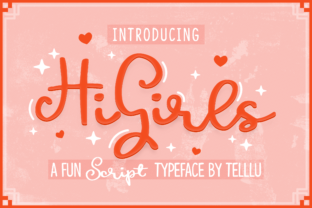
Hi Girls is a script font with a distinct personality. It has a handcrafted feel, as if it were written by someone with a flair for creativity. The curves are fluid, the strokes are expressive, and the overall look feels modern yet nostalgic. It’s not overly ornate, which makes it versatile for different design contexts. Whether you’re working on a bold headline or a subtle callout, Hi Girls can adapt without losing its charm.
Its visual style is ideal for campaigns that want to convey energy, fun, or a personal touch. It works well for brands targeting younger audiences, especially those in fashion, lifestyle, or creative industries. The font doesn’t scream for attention but commands it in a way that feels natural and authentic.
Using Hi Girls in Real Campaigns
One of the first places I used Hi Girls was in a YouTube thumbnail for a product teaser. The challenge was to make the thumbnail stand out while still being legible at small sizes. With Hi Girls, I could create a strong visual anchor that drew the eye without overwhelming the viewer. The font’s contrast and shape made it easy to read even when scaled down, which is crucial for thumbnails that appear in fast-scrolling feeds.
I also tested it on Instagram posts and Pinterest pins. For a content series promoting a new online course, Hi Girls added a sense of personality to the headlines. It paired well with bold colors and simple backgrounds, allowing the message to pop without competing with other design elements. The font’s unique character helped differentiate the brand from competitors who might be using more generic typefaces.
Readability and Design Considerations
When working with Hi Girls, readability is key. While it’s a display font meant for headlines and titles, it’s important to consider where and how it will be used. On mobile screens, for example, smaller text sizes can make the font harder to read. That’s why I always recommend using it for short phrases rather than long paragraphs.
For digital ads and email banners, Hi Girls works best when used sparingly. It’s perfect for CTA buttons, promotional headers, or taglines. When designing for dark backgrounds, the font maintains good contrast, making it a solid choice for high-impact visuals. However, it may not be the best option for dense information or formal corporate communications where clarity and neutrality are priorities.
Pairing Hi Girls with Other Fonts
Font pairing is essential for creating a cohesive design. In one project, I paired Hi Girls with a clean sans serif font like Montserrat. The contrast between the two created a balanced look—Hi Girls added personality, while the sans serif provided structure and readability. This combination worked well for landing pages, email templates, and social media graphics.
Another effective pairing is with a serif font, such as Lora or Playfair Display. This creates a more elegant and refined look, suitable for branding that leans into sophistication. For a more casual or handmade aesthetic, combining Hi Girls with a handwritten font like Great Vibes or Indie Flower can add an extra layer of warmth and authenticity.
Practical Tips for Using Hi Girls
Before integrating Hi Girls into any campaign, it’s important to check the available styles, alternates, and ligatures. These features can significantly impact the final look and feel of the design. For example, some script fonts have multiple versions of certain letters, allowing for greater customization and visual interest.
Also, make sure to review the file formats and licensing terms. Hi Girls is likely available in common formats like TTF and OTF, which are compatible with most design software. If you’re using it for commercial projects, ensure that the license covers your intended use, whether it’s for client work, merchandise, or digital products.
Finally, test the font across different platforms and devices. What looks great on a desktop monitor might not translate well to a mobile screen or a printed piece. Always preview the font in the actual environments where it will be seen.