Cardhonie: A Handwritten Font for Creative Campaigns
It’s 9 PM on a Thursday, and I’m finalizing the visuals for a seasonal sale launch. The client wants something fresh, approachable, and visually engaging. I open my design toolkit, sift through dozens of fonts, and land on Cardhonie. It feels right—like the perfect balance between casual charm and elegant readability.
What Is Cardhonie?
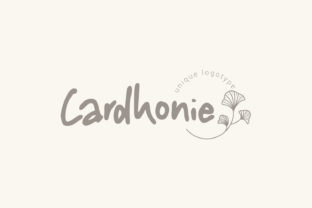
Cardhonie is a handwritten font that exudes warmth and personality. Its strokes are soft yet distinct, giving it a natural, almost personal touch. Unlike rigid digital typefaces, Cardhonie feels like it was written by hand, making it ideal for campaigns that want to feel authentic and relatable.
Its visual style leans into a down-to-earth aesthetic, with subtle variations in stroke thickness and a slightly irregular baseline. This gives it a unique character that stands out without being overwhelming. Whether used for headlines or small labels, Cardhonie adds a human element to any design.
Real-World Campaign Use Cases
During a recent Instagram content series, I used Cardhonie for the main title of each post. The font’s friendly appearance helped create a cohesive, inviting vibe across the feed. It worked especially well when paired with bold, contrasting colors and simple background elements.
For a YouTube thumbnail set, I experimented with Cardhonie as the primary text overlay. On mobile screens, where thumbnails are often viewed at a glance, the font remained legible and eye-catching. Its slight imperfections didn’t detract from clarity, which is crucial for quick engagement.
In an email promotion for a new online course, I applied Cardhonie to the subject line and headline. The font added a sense of personality and creativity, helping the message stand out in crowded inboxes. It also paired well with a clean sans serif font for the body copy, creating a balanced contrast.
Readability and Visual Hierarchy
Cardhonie shines in short, impactful text. It works best for headlines, callouts, and decorative titles rather than long paragraphs. When used in small sizes or on dark backgrounds, the font maintains its clarity, making it suitable for social media previews and image overlays.
However, it’s not the best choice for dense information or formal corporate communication. In those cases, a more structured typeface would be more appropriate. That said, for campaigns targeting creative audiences or lifestyle brands, Cardhonie offers a refreshing alternative to standard script fonts.
Font Pairing and Design Flexibility
Pairing Cardhonie with a clean sans serif font like Montserrat or Open Sans creates a modern, professional look. For a more traditional feel, pairing it with a serif font such as Lora or Playfair Display can add depth and elegance. It also works well with other handwritten fonts when used intentionally for layered effects.
The font includes multiple weights and stylistic alternates, which is useful for creating visual variety. These options allow designers to adjust the font’s appearance based on the campaign’s tone and medium.
Practical Considerations for Marketers
Before using Cardhonie in a campaign, it’s important to check the included styles, ligatures, and file formats. The font should support the languages and characters needed for the target audience. Commercial licensing is also essential if the font will be used in client projects, merchandise, or branded templates.
For digital ads, website banners, and landing pages, Cardhonie can be a strong visual anchor. Its uniqueness helps reinforce brand identity while maintaining readability across different screen sizes and resolutions.