Osage: A Playful Script Font for Modern Campaigns
As a marketing designer, I often find myself in the middle of a campaign workflow where every visual element needs to speak clearly and stand out. Recently, I was tasked with designing a promotional graphic for a seasonal sale, and Osage became my go-to font for that project. It’s not just another script font—it’s a premium typeface with a modern vibe that feels both fresh and approachable.
Osage’s Visual Style and Personality
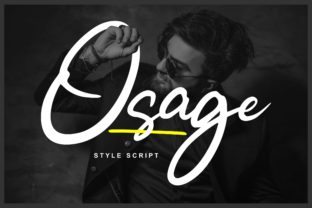
Osage has a cute feel that makes it perfect for campaigns targeting younger audiences or brands looking to inject some fun into their messaging. Its strokes are soft yet structured, giving it a playful but professional edge. The font’s personality is friendly and inviting, making it ideal for social media graphics, YouTube thumbnails, and Instagram posts where first impressions matter.
When I first saw Osage, I was drawn to its balance between creativity and clarity. It doesn’t lean too heavily into the cutesy side of script fonts, which can sometimes feel overwhelming. Instead, it maintains a clean, modern aesthetic that works well across multiple design contexts.
Real-World Application in Campaign Design
During a recent product teaser campaign, I used Osage for the headline on a series of Instagram posts. The font added a sense of energy and excitement without overshadowing the imagery. It paired beautifully with a bold sans serif for the body text, creating a clear visual hierarchy that guided the viewer’s eye naturally.
I also tested Osage on a YouTube thumbnail for a new video series. The font stood out against the background, even at smaller sizes, and maintained its legibility. It worked especially well when combined with a dark background, where the contrast helped the text pop without appearing harsh.
For an email promotion, I used Osage as a header for the subject line and a callout section. The font’s decorative style gave the email a unique touch while still being easy to read. It wasn’t overpowering, which is key when designing for mobile screens where space is limited.
Readability and Mobile Optimization
One of the biggest challenges with script fonts is ensuring they remain readable on small screens. Osage handles this well, especially when used for short headlines or callouts. I found that keeping the text size above 16px made a noticeable difference in clarity, particularly on mobile devices.
When using Osage for image overlays or social media captions, I made sure to keep the text minimal and avoid clutter. The font’s ligatures and alternates helped maintain a polished look without sacrificing readability. For dark backgrounds, I adjusted the color to a light gray or white to ensure maximum visibility.
Best Use Cases for Osage
Osage excels in situations where a creative, modern touch is needed. It’s best suited for short headlines, logo-style text, campaign labels, and decorative titles. Whether you’re designing a webinar banner, a course launch poster, or a branded template pack, Osage adds a stylish flair that aligns with contemporary design trends.
It’s less ideal for long-form content or formal corporate communication. If your campaign requires dense information or a more traditional tone, you might want to pair Osage with a serif or sans serif font for better readability and structure.
Font Pairing and Design Flexibility
Pairing Osage with a clean sans serif like Montserrat or Poppins creates a balanced contrast that enhances both the font’s personality and the overall design. For a more editorial feel, combining it with a serif font like Lora or Merriweather can add depth and sophistication.
If you’re working on a handwritten-style project, Osage can still hold its own as a complementary element. Its modern structure ensures it doesn’t clash with more organic, freeform typography. When using it in a digital ad layout, I always check the font’s weights and file formats to make sure it’s compatible with the platform and device.
Before finalizing any design, I make it a habit to review the font’s multilingual support and commercial licensing. Osage includes a range of characters and glyphs, making it versatile for global campaigns. It’s also important to confirm that the license allows for use in client projects, merchandise, or digital products if applicable.
Final Thoughts on Osage
Osage isn’t just a pretty font—it’s a practical tool for marketers and designers looking to elevate their visual storytelling. Its blend of playfulness and professionalism makes it a strong choice for campaigns that need to be both engaging and effective. Whether you’re working on a seasonal sale, a product teaser, or a branded content series, Osage brings a modern, cute feel that resonates with today’s audiences.
As I wrap up this review, I’m reminded of how much impact a single font can have on a campaign’s success. Osage has proven itself to be a reliable asset in my design toolkit, and I’ll definitely be using it again in future projects. Its versatility, readability, and creative appeal make it a standout choice for anyone looking to add a touch of modernity to their brand visuals.