Beach House Font: A Handwritten Touch for Modern Design
It started with a blank brand board and a client who wanted something that felt warm, approachable, and just a little bit different. The project was for a small café looking to refresh its visual identity, and I knew the right typeface could make all the difference. That’s when I stumbled on Beach House—a font that blends the simplicity of a classic sans serif with the organic feel of a handwritten script.
From the first look, Beach House felt like a breath of fresh air. It’s not overly ornate, but there’s a subtle charm in the way the letters curve and connect. It has that “authentic” vibe without sacrificing clarity, which is exactly what the café needed. Their brand wasn’t about being flashy; it was about creating a sense of comfort and familiarity.
The Visual Appeal of Beach House
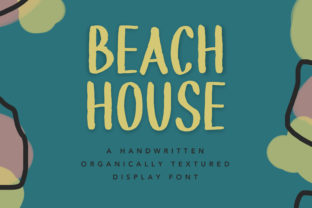
Beach House has a personality that’s easy to love. Its strokes are soft but deliberate, giving it a friendly yet professional tone. It works well in both digital and print formats, whether it’s on a menu board, a social media post, or a business card. The font feels natural, as if it were written by hand, which makes it perfect for brands that want to convey a personal touch.
One of the things I noticed early on was how Beach House handles spacing. It doesn’t feel cramped or too open, which helps maintain readability even at smaller sizes. That’s crucial when designing for packaging or labels, where text needs to be legible from a distance.
Using Beach House in Branding Projects
I began by testing Beach House on a few logo drafts. The font’s balance between structure and fluidity made it ideal for a minimalist logo that still had character. When paired with a simple geometric icon, it created a clean and modern look that felt cohesive across different applications.
As the project progressed, I used Beach House for everything from website headers to email newsletters. It added a nice contrast to more traditional sans serifs, helping to create visual interest without overwhelming the design. On a homepage hero section, it stood out as a strong, readable headline that drew the eye without being distracting.
For printed materials, like flyers and posters, Beach House worked well as a headline font. It didn’t dominate the page, but it had enough presence to guide the viewer’s attention. When paired with a serif font for body text, it created a balanced hierarchy that felt both professional and inviting.
Real-World Applications
One of the most rewarding parts of using Beach House was seeing how it translated to physical elements. On a shop sign, it looked natural and welcoming. On a label sticker, it maintained its legibility even when printed on a small scale. And on an Instagram post, it added a human touch that felt genuine and unpretentious.
It also worked well in social media graphics, where consistency across platforms is key. Whether it was a promotional banner or a carousel post, Beach House helped reinforce the brand’s visual identity without needing a lot of additional styling.
Testing and Pairing Tips
Before finalizing Beach House for the full brand system, I did a few rounds of testing. I checked how it looked at different sizes, on various backgrounds, and in different contexts. It held up well in most scenarios, but I found that it worked best as a display or headline font rather than for long blocks of text.
When pairing Beach House with other fonts, I leaned into complementary styles. A clean sans serif like Lato or Montserrat provided a solid foundation, while a bold serif like Playfair Display added contrast and depth. This combination gave the brand a refined yet approachable look that resonated with their target audience.
Practical Recommendations
If you’re considering Beach House for your next project, start by experimenting with it in different settings. Try it on mockups, test it in real-world environments, and see how it interacts with other design elements. Pay attention to how it affects the overall mood of the brand—does it feel right? Does it match the message you want to convey?
Also, check the font’s features. Beach House likely includes multiple weights, ligatures, and alternates that can add variety and depth to your designs. Make sure to explore these options to get the most out of the typeface.
Finally, remember that Beach House is part of the Script Amp collection, which means it’s designed with versatility in mind. Whether you’re working on a logo, a packaging design, or a digital template, it’s a font that can adapt to different needs while maintaining its unique character.
For any designer looking to add a touch of warmth and authenticity to their work, Beach House is a great choice. It’s not just a font—it’s a tool that can help bring a brand to life in a way that feels genuine and memorable.