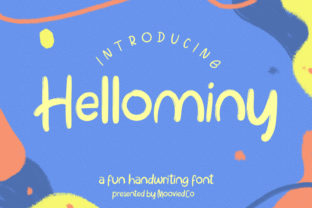
Hellominy: A Friendly Script Font
There’s a moment in editorial design when the right font can transform a project from ordinary to memorable. For a recent lifestyle blog redesign, I found myself standing at the crossroads of creativity and clarity. The goal was to craft a visual identity that felt warm, approachable, and inviting—qualities that Hellominy, a fun script font with a friendly feel, effortlessly delivers.
The Visual Character of Hellominy
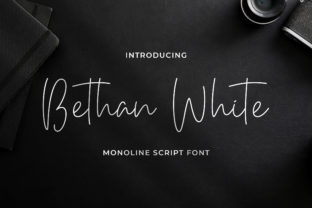
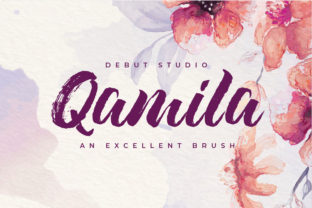
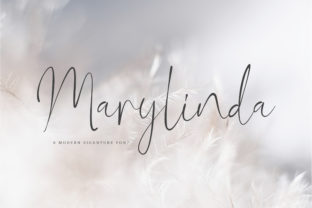
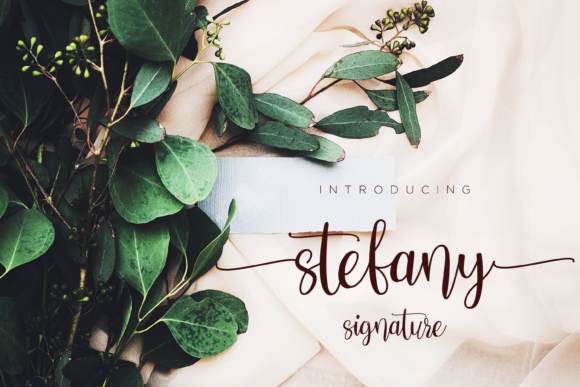
Hellominy carries a soft, handwritten aesthetic that feels both modern and nostalgic. Its curves are fluid yet controlled, and its rhythm invites the eye to move smoothly across the page. This script font is not just about style—it’s about personality. It brings a sense of warmth and authenticity that can elevate any content layout, from a simple newsletter header to a full-page editorial feature.
Testing Hellominy in Real Publishing Scenarios
When I first tested Hellominy for a recipe ebook, I was struck by how well it balanced elegance with readability. The font’s distinct characters made it ideal for titles and headings, while its gentle flow prevented it from feeling overwhelming in larger text sizes. For a wedding guide, I used it to highlight key sections, creating a visual hierarchy that guided readers through the content without disrupting their focus.
In a coaching workbook, Hellominy served as a decorative accent, adding a personal touch to section headers and motivational quotes. Its expressive nature made it perfect for pull quotes and chapter openers, where a little flair could make a big difference.
Editorial Uses and Practical Applications
Hellominy shines in display roles rather than body copy. It’s best suited for titles, subtitles, pull quotes, and cover text, where its character can be appreciated without compromising legibility. For longer reading, it pairs beautifully with a clean sans serif or a readable serif font, creating a balanced and professional look.
For a printable planner, I used Hellominy to label weekly themes and daily goals. Its friendly tone aligned perfectly with the planner’s purpose, making each page feel more engaging and personal. In a digital magazine layout, it worked wonders as a headline font, adding a touch of creativity without overshadowing the content.
Readability and Design Considerations
While Hellominy is highly readable at larger sizes, it’s important to consider its limitations. On small screens or in dense paragraphs, the font may become difficult to read. For mobile layouts, PDF exports, or print materials, it’s best to use Hellominy in larger text sizes or as a decorative element rather than for extended reading.
When designing for web or social media, Hellominy can add a unique visual identity to logos, banners, and graphics. However, for captions, navigation menus, or other functional elements, a more neutral typeface would be more effective.
Font Pairing and Editorial Balance
Pairing Hellominy with a complementary font can enhance its impact. A classic serif font like Georgia or Playfair Display works well for body copy, offering contrast and structure. A clean sans serif like Open Sans or Lato can serve as a reliable companion for captions, headings, and navigation elements.
For a more contemporary look, pairing Hellominy with a modern sans serif like Roboto or Montserrat creates a fresh and dynamic aesthetic. These combinations ensure that the font remains a standout element without disrupting the overall design flow.
Practical Tips for Using Hellominy
Before incorporating Hellominy into your project, check the available styles, alternates, and ligatures. These features can add depth and variation to your design, allowing for more creative flexibility. Ensure that the font supports the languages you need, and verify the file formats and licensing terms if you plan to use it in ebooks, templates, or commercial projects.
Whether you're designing a lifestyle blog, a recipe ebook, or a coaching workbook, Hellominy offers a versatile and expressive solution. Its friendly personality and elegant design make it a valuable addition to any editorial toolkit, especially when used thoughtfully and intentionally.