Ellpacino Handbrush Review
As a designer with years of experience in branding, editorial design, and digital product creation, I’ve seen countless fonts come and go. But Ellpacino Handbrush stands out as a unique addition to the Script Amp collection. It’s not just another script font—it’s a typeface that carries personality, energy, and a distinct visual voice. In this review, I’ll walk through how it performs in real-world design scenarios and where it truly shines.
The First Impression
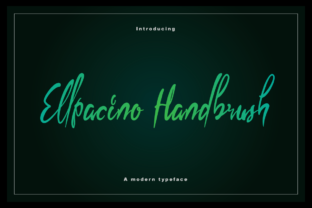
Ellpacino Handbrush immediately conveys a sense of warmth and approachability. The brush strokes feel organic, almost like someone picked up a paintbrush and wrote with it. This gives the font a handcrafted, personal touch that can add character to any project. It doesn’t feel stiff or overly stylized, which makes it versatile for both casual and more refined applications.
The mood it creates is friendly yet professional. It’s ideal for brands that want to communicate authenticity without sacrificing polish. Whether it’s used in a logo, a poster, or a social media graphic, it adds a human element that can make a design feel more relatable.
Real-World Performance
In logo design, Ellpacino Handbrush works best when paired with a clean, modern typography. It can serve as a strong focal point, especially when used in short brand names or taglines. However, it’s less effective as a standalone logo font for large text, as the details may get lost at scale.
For brand identity, it’s a great choice for smaller elements—like subheadings, captions, or accents. It pairs well with serif or sans serif fonts, creating a balanced contrast that enhances readability without clashing. When used in packaging design, it adds a tactile, artisanal feel that can elevate the perceived value of a product.
In web design, Ellpacino Handbrush can be used effectively for headers or call-to-action buttons. However, it’s important to test it at different sizes and on various screen types. At smaller sizes, the strokes may become too thin, reducing legibility. For body text, it’s better to stick with more traditional typefaces.
Where to Use Carefully
While Ellpacino Handbrush is a creative font, it’s not suitable for every application. Large headlines, for example, can suffer from overuse of detail, making the text appear cluttered. Similarly, using it in premium packaging or high-end branding might not align with the desired tone if the font feels too informal.
It also requires careful spacing. The natural flow of the letters can lead to uneven gaps if not adjusted properly. Designers should pay close attention to letter spacing, especially when working with longer phrases or multiple lines of text.
When used in social media graphics or digital ads, Ellpacino Handbrush can draw attention but may not always be the best choice for long-form content. It’s more suited for decorative accents or short, impactful messages.
Readability and Brand Consistency
Readability is one of the most critical factors when choosing a font, and Ellpacino Handbrush has its limits. While it’s highly readable in short phrases, it’s not ideal for extended blocks of text. This means it should be used strategically—perhaps as a headline or a key visual element rather than the main body of a document.
Brand consistency is another consideration. If a brand already uses a more structured typeface, adding Ellpacino Handbrush as a secondary font can create a cohesive yet dynamic look. However, overusing it across multiple touchpoints can dilute the brand’s identity.
Audience trust and recognition are also influenced by typography. A font that feels too casual or unrefined might not convey the professionalism a brand aims to project. That said, when used appropriately, Ellpacino Handbrush can enhance a brand’s personality and emotional connection with its audience.
Practical Designer Notes
Before finalizing any design, I recommend testing Ellpacino Handbrush in black and white. This helps assess how it holds up without color and whether the details remain visible. It’s also important to check small-size readability, especially if the font will be used in print or on mobile screens.
Try it on real mockups to see how it interacts with other design elements. Compare uppercase and lowercase versions to understand how they affect the overall composition. Also, test it beside serif, sans serif, script, and handwritten fonts to see how it fits into your existing type palette.
Finally, confirm commercial licensing before using it in client projects or business assets. Even though Ellpacino Handbrush is a premium font, proper licensing ensures that you’re compliant and avoid any legal issues down the line.
Final Thoughts
Ellpacino Handbrush is a standout script font that brings a fresh, expressive quality to design work. Its organic feel and distinctive style make it a valuable tool for designers looking to add personality to their projects. Whether it’s for branding, packaging, or digital assets, it offers a unique visual identity that can set a design apart.
However, like any font, it’s not a one-size-fits-all solution. Understanding its strengths and limitations is key to using it effectively. When applied with care and intention, Ellpacino Handbrush can become a powerful asset in a designer’s toolkit.