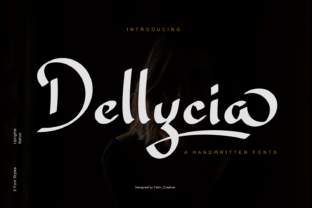
Dellycia: A Handwritten Font for Editorial Charm
There’s a certain magic in choosing the right font for a project. It’s not just about aesthetics—it’s about mood, message, and meaning. For a recent redesign of a lifestyle blog, I found myself drawn to Dellycia, a handwritten script font with a playful yet refined energy. Its soft curves and expressive lines felt like the perfect match for a publication that wanted to feel warm, approachable, and a little whimsical.
The Visual Character of Dellycia
Dellycia is a typeface that feels personal. It carries the warmth of a hand-drawn signature, with subtle variations in stroke weight that give it a natural, organic rhythm. The font’s character isn’t overly ornate, but it has a distinct personality—one that leans into creativity without sacrificing clarity. Its lowercase letters flow with ease, while the uppercase forms add a touch of elegance and presence.
What stands out most is its balance. Unlike some script fonts that can feel too casual or difficult to read, Dellycia maintains a level of legibility that makes it suitable for editorial use. It doesn’t shout, but it does command attention when needed.
Real-World Applications for Dellycia
Testing Dellycia in different layouts revealed its versatility. On a blog header, it brought a sense of personality to the title, making the site feel more curated and intentional. In a recipe ebook, it worked beautifully as a chapter opener, adding a touch of sophistication to each section. For a printable planner, it made headings and labels feel more engaging, encouraging users to interact with the content.
It also excelled in pull quotes and decorative accents. In an editorial feature page, Dellycia was used to highlight key phrases, drawing the reader’s eye without overwhelming the surrounding text. In a wedding guide, it added a romantic, personal touch to invitations and layout elements, reinforcing the theme of the publication.
Readability and Practical Considerations
While Dellycia shines in display roles, it’s important to consider where it works best. As a premium font, it’s ideal for titles, subtitles, and short bursts of text rather than long paragraphs. Its expressive nature makes it less suited for body copy, especially in digital formats where screen readability is crucial.
On mobile devices, Dellycia holds up well at larger sizes, but smaller text can become challenging to read. For print materials, it adds a unique flair, particularly in logos, cover designs, and branding elements. When used in PDFs or downloadable files, it’s essential to ensure the font is properly embedded to maintain consistency across platforms.
Pairing Dellycia with Other Fonts
To maximize its impact, pairing Dellycia with complementary typefaces is key. A clean sans serif like Lato or Open Sans can provide contrast and clarity in body text, while a classic serif font such as Georgia or Garamond offers a timeless counterbalance. This combination allows Dellycia to shine as a focal point without overshadowing the rest of the design.
For editorial projects, this kind of font pairing helps establish visual hierarchy, guiding the reader through the content while maintaining a cohesive look. Whether designing a newsletter header or a course PDF, the right pairing ensures that the typography supports the message rather than distracts from it.
When Dellycia Isn’t the Right Fit
There are scenarios where Dellycia may not be the best choice. In formal reports, dense infographics, or small captions, its fluid style can become hard to decipher. Similarly, in content that requires a high degree of professionalism or minimalism, Dellycia might feel out of place. It’s a font that thrives in creative, expressive contexts rather than rigid or technical ones.
That said, understanding these limitations is part of what makes Dellycia a valuable addition to any designer’s toolkit. Knowing when to use it—and when not to—helps maintain the integrity of the overall design.
Exploring Dellycia’s Features
Before using Dellycia in any project, it’s worth reviewing its features. The font includes a range of styles, alternates, and ligatures that allow for greater customization. These details can enhance the typography, giving it a more polished and intentional look.
For those planning to use Dellycia in commercial projects, checking the licensing terms is essential. Whether creating an ebook, a printable, or a client publication, ensuring that the font is properly licensed prevents potential issues down the line.
As a script amp font, Dellycia fits naturally into modern typography trends, offering a fresh alternative to more traditional script fonts. Its blend of playfulness and refinement makes it a strong choice for anyone looking to add a personal, artistic touch to their editorial work.
In the end, Dellycia is more than just a font—it’s a tool for storytelling. Whether it’s helping to shape the identity of a lifestyle blog, enhancing the visual appeal of a recipe ebook, or adding charm to a printable planner, it brings a sense of warmth and creativity to every project it touches.